

6 Common Lead Magnet Mistakes Online Coaches Must Avoid (And How to Fix Them)
Have you ever poured hours into creating a lead magnet, only to be met with… crickets?
No sign-ups.
You’re not alone. 61% of marketers say lead generation is their biggest challenge, and often, the culprit is a handful of common, avoidable mistakes.
Creating a lead magnet can feel like ticking a box on your business checklist: design it, launch it, and wait for the leads to roll in. But when it falls flat, it’s more than just disappointing; it’s a missed opportunity to build meaningful connections with your audience.
In this blog, we’ll uncover the top six reasons that lead magnets fail to attract buyers for your online coaching business. Whether you’re starting fresh or reworking an existing strategy, these insights will help you create lead magnets that attract, engage, and convert your ideal clients.
Before we dive deeper into mistakes, it’s important to understand why lead magnets are the foundation of a scalable online coaching business, and why they should never be created in isolation.
Mistake #1: Creating Misaligned Lead Magnets That Don’t Convert
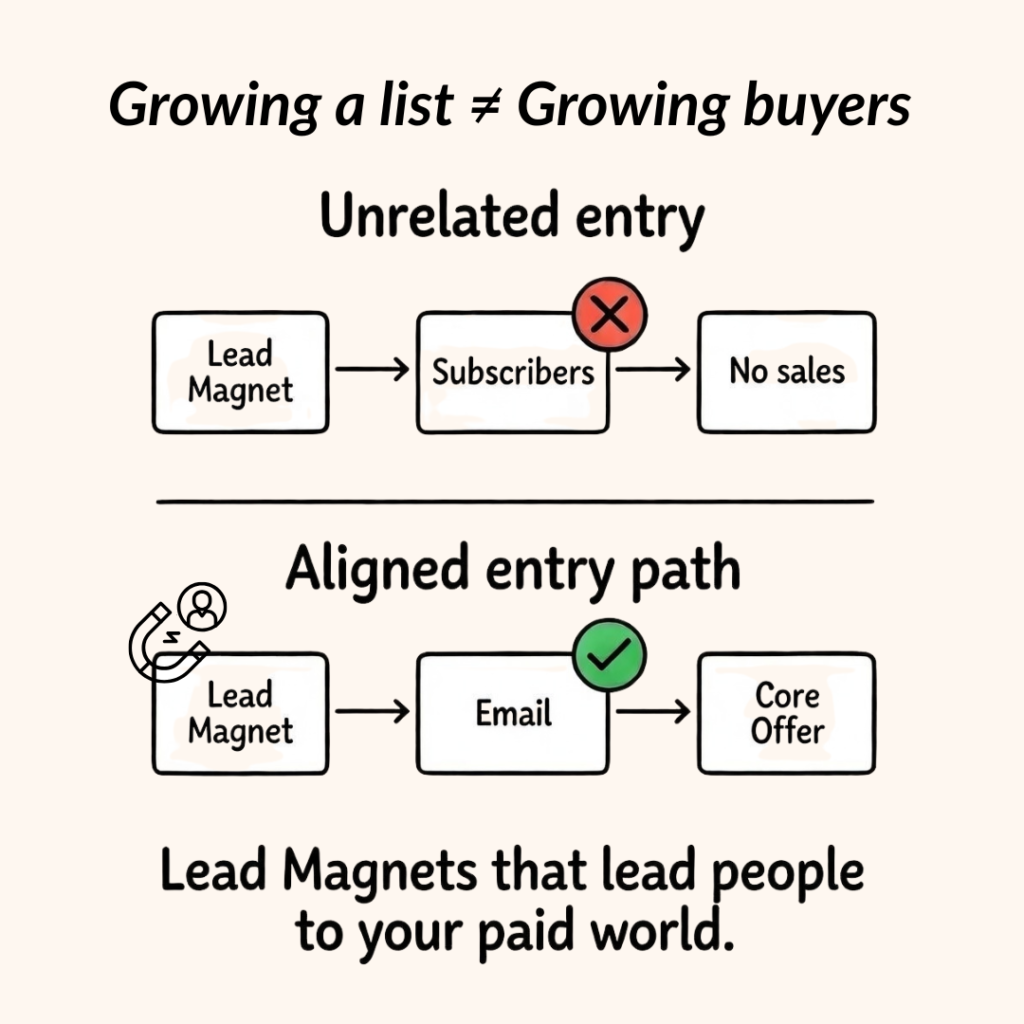
Misalignment is one of the most common and costly mistakes with lead magnets. If your lead magnet doesn’t connect to your core offer, you’ll likely attract the wrong audience.
I have seen so many coaches creating lead magnets based on what others have created or what is working out in their industry. But they forget that the lead magnet they create has to lead people to their core/signature offers. If there is no connection between your main offer and the lead magnets, your list will be like a list full of freebie seekers. And this isn’t because they are bad people, but because you never built an aligned entry path for them. (I have a detailed blog on why lead magnets attract freebie seekers)
The reality? A lead magnet’s purpose isn’t just to grow your list, it’s to attract the right prospects who are ready to engage with your offers.
Early in my journey, I made this mistake. I created over 30 lead magnets, including Canva templates that brought in nearly 1,000 subscribers. It brought in subscribers consistently, but it failed to generate backend sales. Despite growing my list to 10K subscribers, I was still struggling to make sales, and it was all because my lead magnets had nothing to do with my actual work.
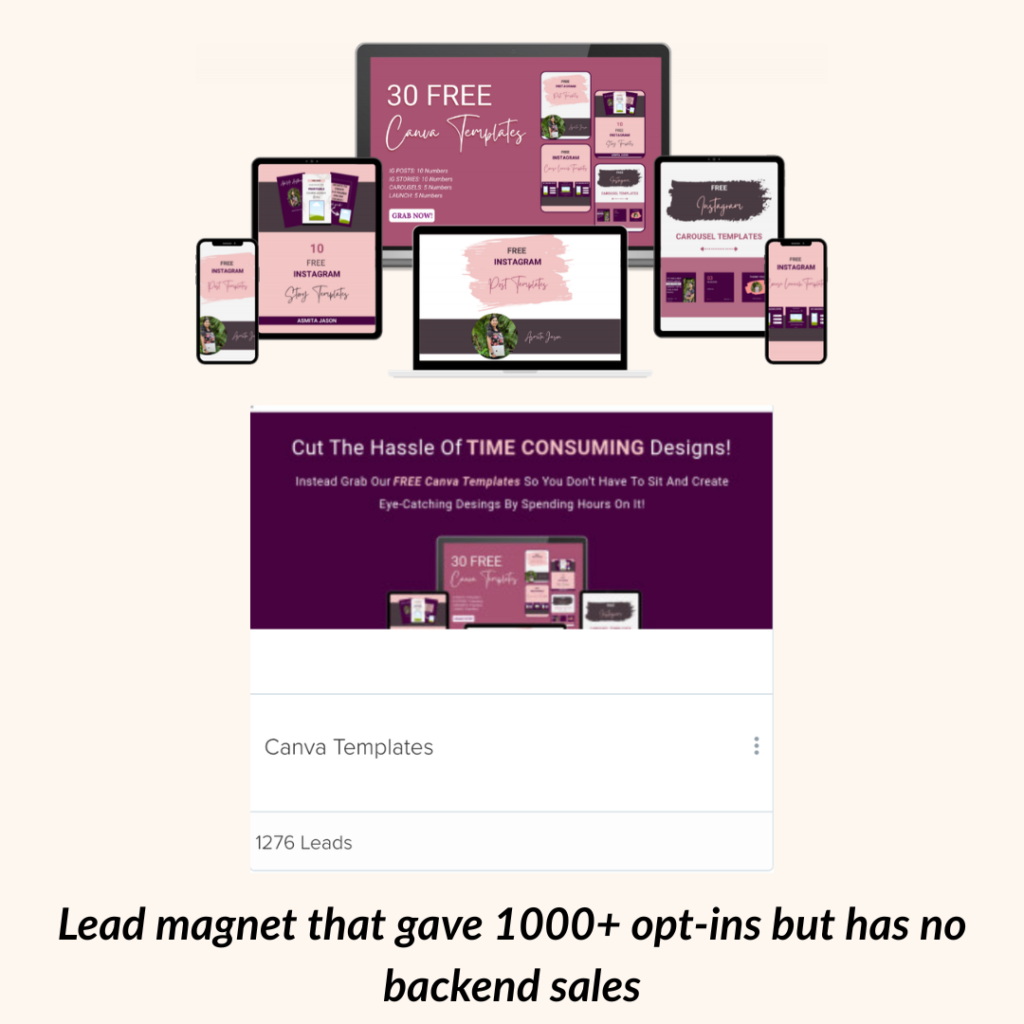
When I scrapped those freebies and created lead magnets directly tied to my offers, I was attracting subscribers who were not just interested but ready to take action.
With right alignment, you not only grow your list with leads but also filter them out. These people know about your work and how you can help them right from your lead magnet. The leads which act as an entry gate into your paid world become the most profitable type of lead magnets and bring the most aligned buyers.
How to Avoid Lead Magnet Misalignment:
✅ Always Map Out Your Audience Journey.
✅ Before creating a lead magnet, ask yourself these critical questions:
✅ What’s the next step after someone downloads this?
✅ Does this lead magnet naturally guide them toward my core offer?
A great lead magnet isn’t about the number of downloads; it’s about attracting the right people who are a perfect fit for your business.
Mistake #2: Generic or Too Broad Lead Magnets that Lack Specificity
Most times, we create lead magnets based on what feels easier to create faster. We also try to avoid giving a lot of things for free, and holding ourselves creates surface-level lead magnets. Absolutely, your lead magnets don’t need to be very deep like a paid program, but they shouldn’t be just scratching the surface.
These broad, generic lead magnets might get downloads, but they won’t build trust or drive sales. When your resource tries to appeal to everyone, it may spark curiosity, but it rarely delivers enough value to build a meaningful connection or move people closer to a purchase decision.
Chances are, even at this moment, your business might have a few broad lead magnets giving you lots of sign-ups, but the contribution to backend sales is minimal.
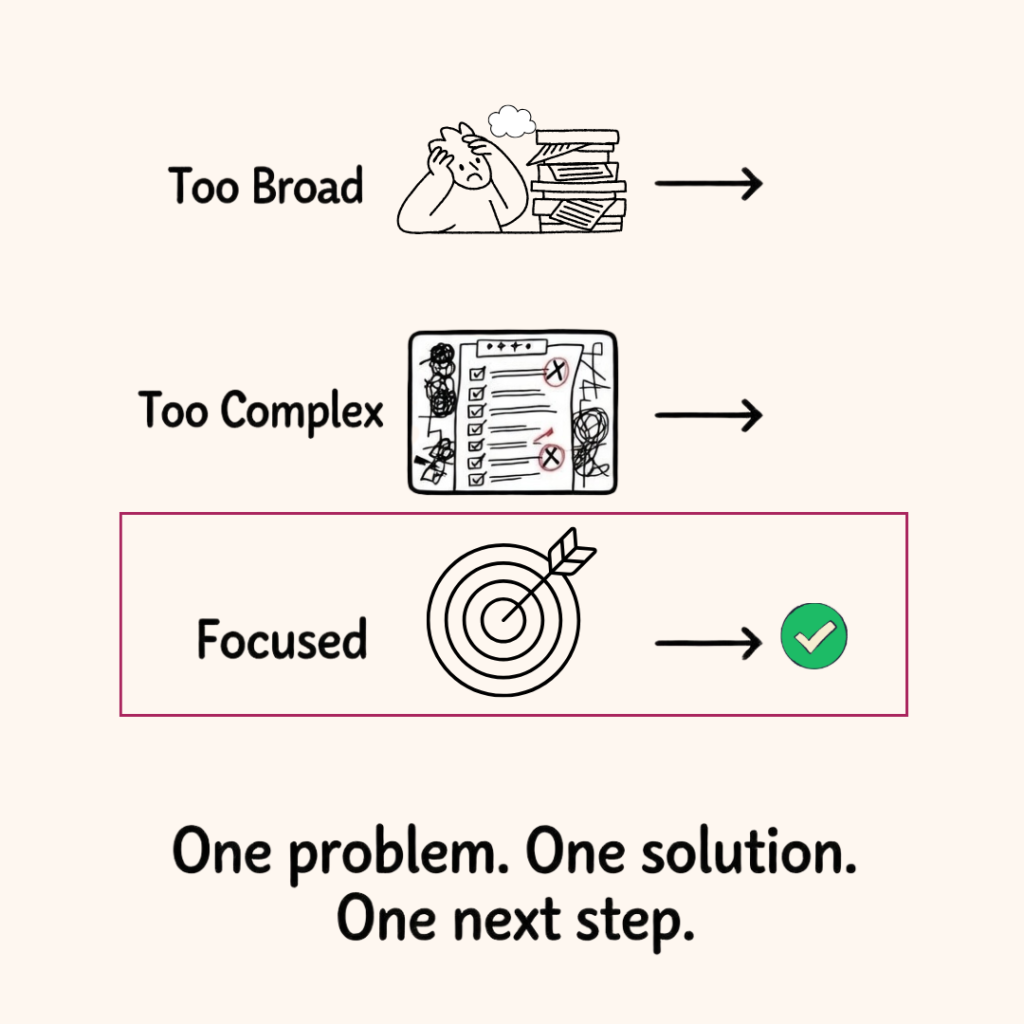
Early in my business, I created lead magnets like “Social Media Checklist ” and ” Cheat Sheets.” While they brought in downloads, they left my audience stuck at the top of the funnel. These resources didn’t align with my offers, nor did they provide a clear next step, so they left people hanging and eventually disengaged. I had to clean lots of people just to get my email open rates up again.
When your lead magnet is too broad, it dilutes your message. Instead of establishing trust or authority, you risk creating a disconnect between what people expect from you and the true value you offer. A generic lead magnet might attract curiosity, but it won’t attract commitment.
The specific you get in the lead magnet, it becomes obvious about their next steps and your style of working. These lead magnets make people familiar with your methods and approach. It becomes easier to win sales at a later stage instead of struggling with just freebie seekers.
How to Avoid Lead Magnet Specificity Mistake:
✅ Solve One Specific Problem with One Clear Solution
Effective lead magnets don’t try to solve every problem; they zoom in on a specific pain point and deliver a clear, actionable solution.
When you focus on solving one problem, your lead magnet demonstrates your expertise while delivering a quick win. This clarity builds trust and sets the tone for how your audience will view your paid offers.
The better your lead magnet is at taking action and getting a specific, quick win, the more people trust you for more and more.
Broad lead magnets might feel like a safe option, but they often dilute your message.
Mistake #3: Creating Overwhelming & Complex Lead Magnets
It’s a common tendency to complicate things, and so we end up complicating the lead magnet as well. You want to over-deliver and end up adding lots of good things into your lead magnet, and all of these good things end up confusing your lead magnet.
People grab your lead magnet for a quick win, to get a taste of your work or see new ways; no one downloads a lead magnet to replace a paid program. And when you add things like a paid program into your lead magnet, it becomes overwhelming. Those who download never actually consume your lead magnet.
When it comes to lead magnets, less is more. High-level clients don’t expect you to solve all their problems in one free resource; that’s what your paid offers are for. Yet, it’s tempting to overdeliver in an effort to overdeliver, but this often backfires.
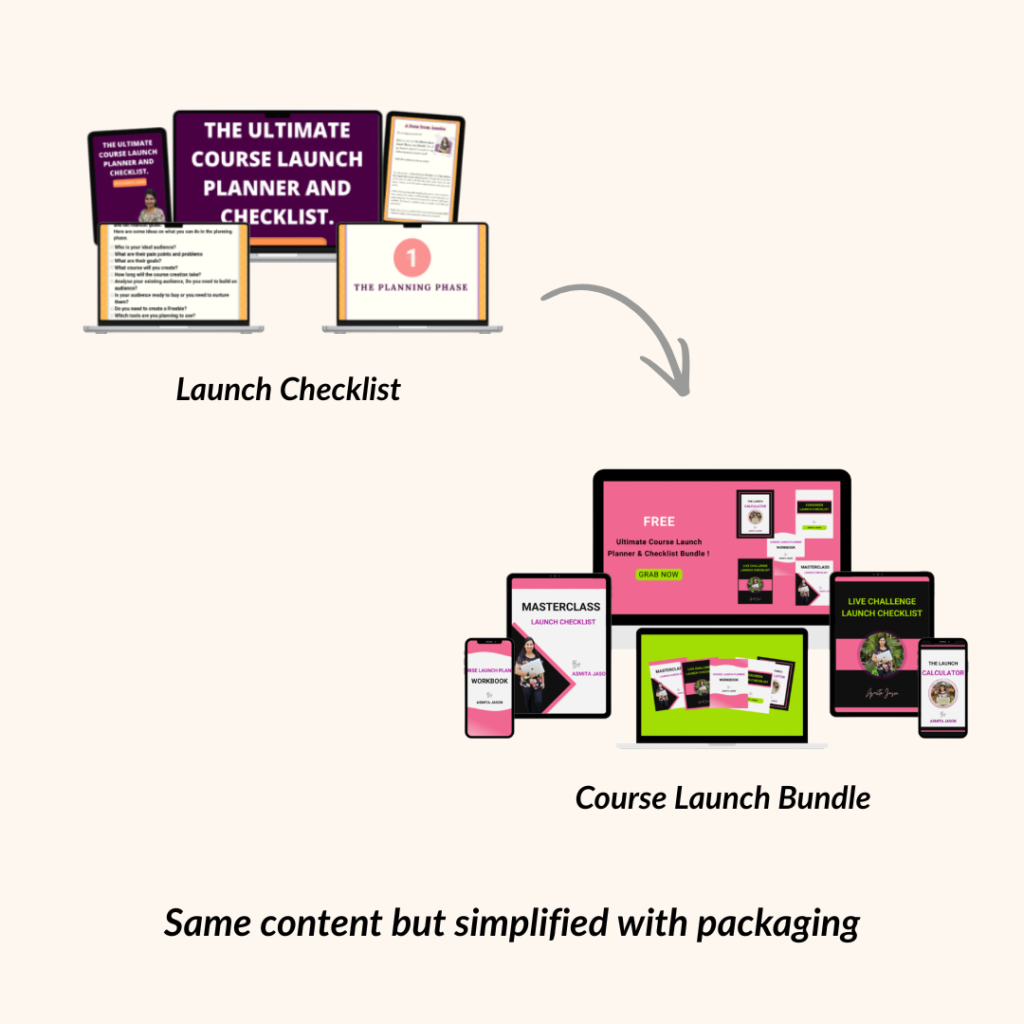
I learned this the hard way. My first lead magnet was an exhaustive course launch checklist. I packed it with everything I knew about launching because I wanted it to be “the ultimate resource.” It took months to create, left my audience frustrated, and didn’t generate the conversions I expected.
I knew I had packed all useful info which could be a paid program, but it was overwhelming people as a simple checklist. Finally, I broke it down into smaller, focused pieces: an ebook, three checklists, and a calculator. This simple adjustment made it easier for my audience to use and led to real results. These resources were then made into a bundle, which converted much better for me.
Simple things lead to simple actions, and these simple actions result in giving quick wins. People experiencing quick wins trust you more and buy more and more from you.
How to Avoid Lead Magnets from Becoming Overwhelming:
✅ One Problem, One Solution, and not overexplaining things. Show a new way and possibility. Your lead magnet isn’t to teach it all.
Simpler lead magnets aren’t just easier to create; they’re also easier for your audience to consume. When they see results quickly, they trust your expertise and are more likely to take the next step with you.
Overwhelming complexity doesn’t overdeliver; it confuses. A simple, focused lead magnet that delivers one actionable solution is far more effective at building trust and driving conversions.
Mistake #4: Lead Magnets With Poor Design and Presentation
Let’s be honest: people judge a book by its cover, and your lead magnet is no exception. Even the most valuable content won’t resonate if it’s poorly packaged. A Stanford study found that 46.1% of people assess a website’s credibility based on its visual design. The same principle applies to your lead magnet.
When I first started creating lead magnets, I focused so much on the content that I completely neglected the design. My lead magnets didn’t look like they could deliver value. They appeared rushed and unprofessional, leaving a poor first impression.
You don’t need fancy or hi-tech designs, but your lead magnets definitely need decent packaging. I have created my most downloaded lead magnets, which were just Google Docs. These Google Docs had a cover, and their registration pages had mockups. The better you represent your lead magnet visually, the easier it is to read and consume. You don’t want to lose the signups just because they perceive your lead magnet to be not up to the mark.
Here’s the truth: presentation matters. Your lead magnet isn’t just a resource; it’s a reflection of your brand. A polished design not only builds credibility but also helps your audience perceive the value of your content.
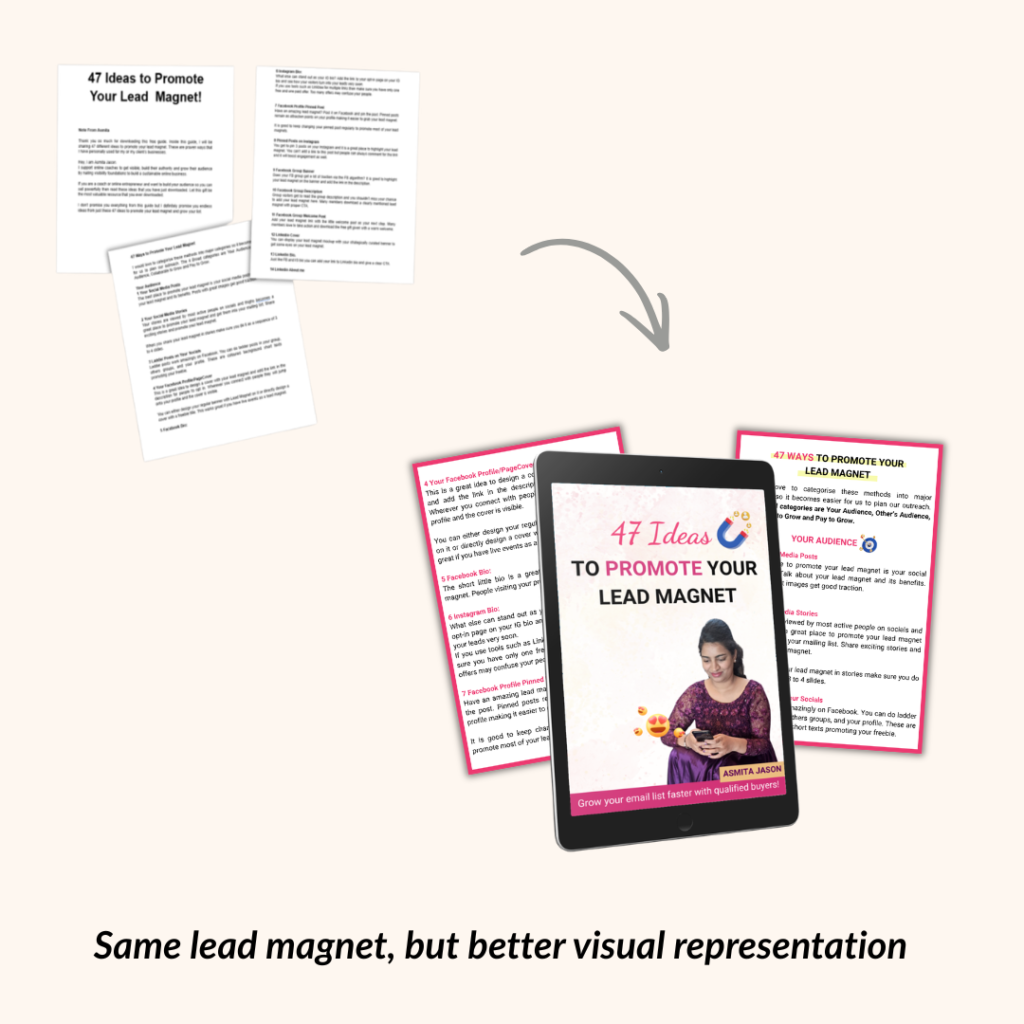
How to Avoid Poor Lead Magnet Visuals Mistake:
✅ Use consistent brand fonts and colours
✅ Make your lead magnet scannable
✅ Add a clear CTA inside the document
Your lead magnet’s presentation is the bridge between great content and audience trust. A poorly designed resource, no matter how valuable, risks being ignored. Invest in thoughtful design; it’s a small change that makes a big impact.
Mistake #5:Lead Magnets Created for the Wrong Audience
Creating a lead magnet without deeply understanding your audience is like shooting in the dark. You might hit something, but it’s pure luck. One of the biggest mistakes is focusing on what you think the audience wants rather than what the audience truly needs. This often leads to vague, surface-level freebies that fail to resonate or convert.
Your audience doesn’t just want a quick fix; they want to feel seen, understood, and supported. It’s not enough to address general pain points like, “I’m not getting subscribers.” You need to uncover the deeper problems causing those pain points. Understanding your people is definitely a big task, but that pays off.
When I first started creating lead magnets, I thought I understood my audience’s needs. I focused heavily on surface-level pain points like, “They’re struggling to grow their email list.” But I never dug deeper to understand the real problems or desires behind those struggles.
I built a great collection of generic freebies that got downloads, but didn’t lead to conversions. My lead magnets weren’t addressing my audience’s root challenges or guiding them toward their goals.
How to Avoid Audience Misalignment Mistakes:
✅ Understand Your Audience on a Deeper Level
✅ What’s their immediate struggle? Think about pain points they vocalise, like “I’m not getting engagement on my emails.”
✅ What’s causing that struggle? For example, their email subject lines might not grab attention, or they might lack a nurturing sequence
✅ What do they want to achieve? Instead of simply solving a pain point, offer a resource that helps them move closer to a tangible goal, like “Attracting ready-to-buy leads.”
When you take the time to deeply understand your audience, your lead magnets transform from guesswork to resources that resonate, engage, and convert. It’s not about what you think they need; it’s about showing them you truly understand their struggles and goals.
Mistake #6:Not Promoting Your Lead Magnet Enough
Even the most valuable, well-designed lead magnet will fail if no one knows it exists. Visibility isn’t optional; it’s essential. Yet, one of the biggest mistakes entrepreneurs make is quietly uploading a lead magnet to their website and expecting people to magically find it.
But here’s the reality: hope is not a strategy.
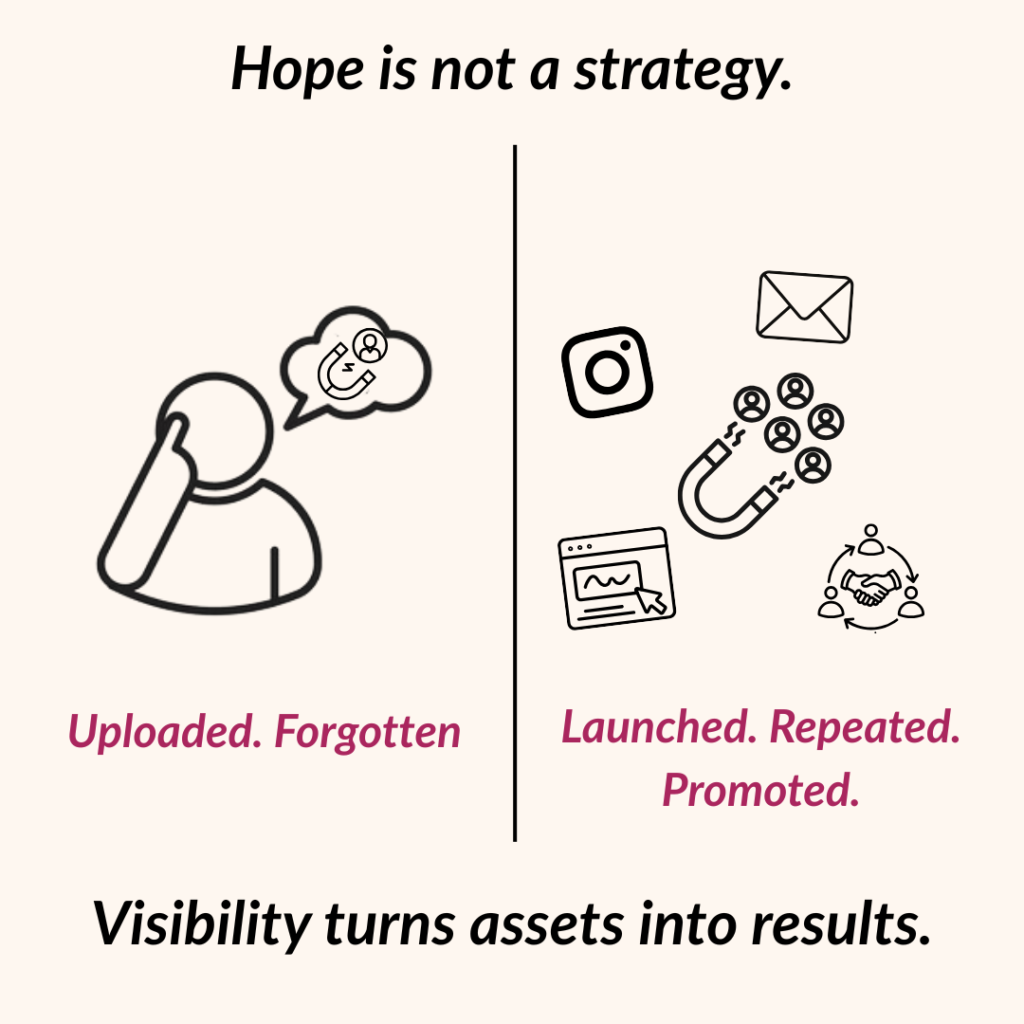
When I first created a lead magnet, I thought the hard work was done after hitting “publish” on my website. I waited for downloads… and waited some more clicks. Nothing happened. It wasn’t until I treated my lead magnet like a product, actively promoting it across platforms and weaving it into every aspect of my strategy, that I finally started seeing results. In just two weeks of consistent promotion across Instagram Stories and my email list, my downloads tripled.
You need to promote your lead magnet so it reaches more and more people. I keep saying that you need to bring your lead magnet in front of 10 new people daily for a constant supply of fresh leads.
Visibility Is Non-Negotiable. If your audience doesn’t see your lead magnet, how can they download it? And if they don’t download it, how can they step into your world? Visibility isn’t just about putting your lead magnet out there; it’s about making it impossible to miss.
Whether it’s through social media, collaborations, or strategic website placements, promoting your lead magnet needs to be an ongoing effort. It’s not a “set it and forget it” task; it’s an essential part of your marketing strategy. I actually have a lead magnet on 47 ways to promote your lead magnet to give my clients a comprehensive list to promote their lead magnet.
How to Make Your Lead Magnet Impossible to Ignore
✅ Your lead magnet should be everywhere your audience already spends their time.
Don’t just release your lead magnet, launch it. Treat it like a product launch by creating buzz and excitement around it. Share behind-the-scenes moments, tease its benefits, and emphasise the transformation it delivers. When you build anticipation, people will be eager to download it the moment it goes live.
A lead magnet sitting in the shadows won’t bring you the leads or conversions you’re hoping for. Visibility bridges the gap between creating your lead magnet and seeing results.
Final Thoughts: Build Lead Magnets That Work for You
The difference between a growing list and a profitable one often comes down to these fundamentals.
Your lead magnet isn’t just a resource; it’s a bridge to meaningful connections, aligned leads, and lasting business growth. By aligning your strategy, simplifying your approach, and promoting consistently, you can transform your lead magnets into powerful conversion tools. Don’t let common mistakes hold you back; take action today.
If you’re serious about creating a lead magnet that actually converts, not just collects emails, start by auditing yours against these six mistakes.
And if you want structured support building one that aligns with your paid offers, that’s exactly what we do inside my Lead Magnet Creation Workshop.
Enjoyed reading this blog? Let me know by connecting with me on Instagram-@asmitajason or writing to me at hello@asmitajason.com.
Don’t forget to check all the amazing free resources I have for you on my freebie page; looking to work with me on a deeper level? Check out my everything page.